
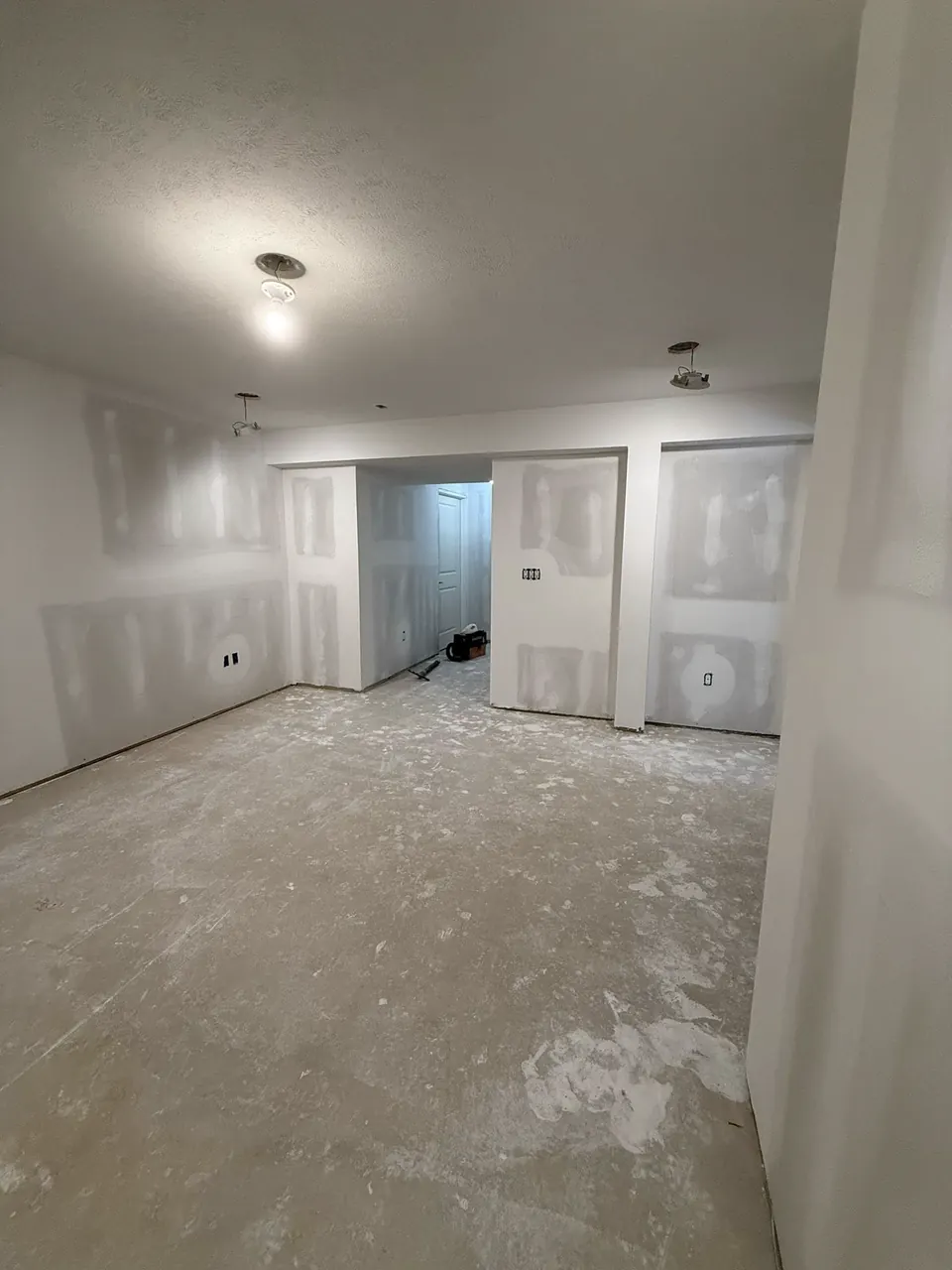
Basement water may arrive through plumbing, appliance failure, groundwater, surface drainage, foundation leakage, condensation, or floodwater. Those events do not create the same cleanup, drying, testing, insulation, or rebuild decisions. A readiness record keeps the drywall estimate connected to the people responsible for the cause and the wall assembly.
This checklist is not remediation, structural, foundation, waterproofing, environmental, electrical, plumbing, HVAC, or code advice. Floodwater, sewage, energized equipment, gas odor, structural movement, extensive contamination, and unsafe air require the appropriate emergency or qualified response before ordinary repair planning.
Step 1: identify and correct the water source
- Date and time first observed; areas and approximate depth affected.
- Known source and the professional or responsible party who corrected it.
- Clean-water leak, contaminated water, groundwater, or unknown exposure classification.
- Exterior grading, gutters, downspouts, window wells, foundation, sump, drainage, plumbing, appliance, and condensation records.
- Photos before cleanup, after removal, after source correction, and after a comparable rain or system use.
Step 2: record what was removed and why
- Drywall height and boundary by wall, including insulation and base materials.
- Wood or metal framing condition as reported by the responsible evaluator.
- Trim, flooring, cabinets, electrical devices, wall covering, and stored contents affected.
- Lead, asbestos, mold, or other assessment and clearance records when applicable.
- Waste handling and cleaning documentation appropriate to the event.
EPA's flooded-home guidance says walls and flooring should not be refinished or replaced until the home is completely dry. EPA also warns not to seal flooded wall cavities or paint wet surfaces until materials are dry on the inside.
Step 3: create a drying release
Ask the drying or remediation professional to identify what was measured, where, with which instrument, against what dry standard, on what dates, and who accepted the result. One room-air humidity reading does not describe moisture inside framing, masonry, insulation, or a concealed cavity.
- Moisture map with fixed measurement locations.
- Material-specific readings and the comparison or target used.
- Equipment dates, environmental logs, and final inspection.
- Areas not accessible or not included in the drying scope.
- Written release for rebuild from the responsible party.
Step 4: define the basement wall assembly
Do not replace “what was there” without checking whether the old assembly contributed to the problem or conflicts with current project requirements. U.S. Department of Energy building-science guidance notes that basement moisture management must be addressed before insulation and that vapor-control materials must be selected and located correctly for the assembly.
- Foundation wall type and known water-management work.
- Framing material, spacing, clearances, pressure-treated components where specified, and fire blocking.
- Insulation type, thickness, location, vapor-control approach, and responsible designer or installer.
- Drywall type, thickness, layers, fastening, finish, primer, paint, trim, and floor clearance.
- Required access panels, electrical work, plumbing cleanouts, valves, sump equipment, and inspection points.
Step 5: use a room-by-room rebuild table
| Room or wall | Source resolved | Drying release | Assembly approved | Drywall scope |
|---|---|---|---|---|
| Location ID | Who / date / record | Who / date / measurements | Drawing or written direction | Panel, finish, texture, primer, paint |
Stop if the evidence is incomplete
Pause drywall installation when the water source remains active or uncertain, materials are still wet, odor or growth is unresolved, required assessment is missing, the foundation or framing condition is uncertain, electrical or mechanical work is open, or the intended insulation and vapor strategy has not been decided. Closing a cavity removes access to the evidence and the work behind it.
Helpful public references
- EPA Flooded Homes: Doing It Yourself — wall removal and drying-before-rebuild guidance.
- EPA flood cleanup and indoor air guidance — wet drywall, wall cavities, and refinishing cautions.
- U.S. Department of Energy: Vapor retarders for basements — moisture and vapor-control context.
- U.S. Department of Energy: Water-managed foundations — address moisture before insulating basement walls.